Smart locks are showing up in more and more homes, rental apartments, offices and apart-hotels. Even so, many people still approach them with caution. Usually not because of real drawbacks — but because of myths and outdated assumptions.
In this article we take the most common smart lock opinions and check how much truth there is behind them.
Why do smart locks still raise doubts?
New technologies always spark questions. When it comes to smart locks, the concerns usually come from:
- experiences with cheap, unproven products,
- incomplete information found online,
- confusing smart locks with simple electronic gadgets.
Time to separate fact from myth.
❌ Myth 1: "A smart lock is easy to hack"
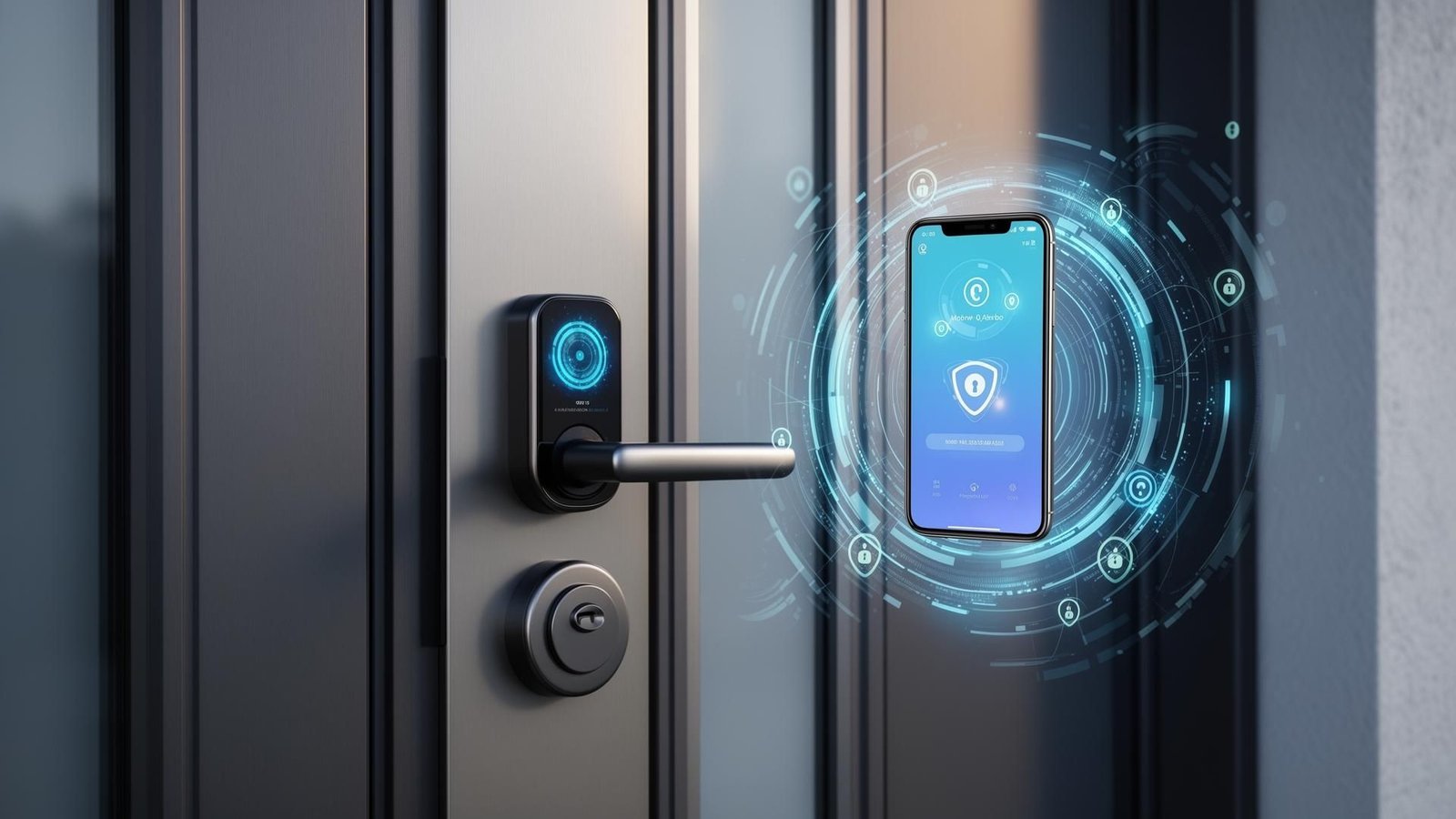
This is the most common concern. In reality, modern smart locks use:
- encrypted communication,
- user authentication,
- event logs (who opened the door and when).
A well-chosen smart lock is at least as secure as a classic lock — and often gives you more control over access. The risk mainly applies to very cheap, unproven devices without manufacturer support.
❌ Myth 2: "A smart lock stops working when the power goes out"
Smart locks aren't powered from the mains. They run on batteries that usually last many months.
Additionally:
- the app warns you about low battery,
- many models have a USB emergency power port,
- a mechanical key is often available too.
A power outage in the building does not block access to the door.
❌ Myth 3: "Smart locks are hard to use"
In practice it's the opposite. Everyday use of a smart lock comes down to:
- placing a finger,
- typing a code,
- using a card,
- or a tap in the app.
For many people that's simpler than carrying keys. Smart locks are particularly loved by:
- seniors,
- landlords,
- companies with staff rotation.
❌ Myth 4: "A smart lock is a gadget, not real security"
A classic key can be:
- lost,
- copied without the owner's knowledge,
- passed on.
A smart lock lets you:
- revoke access instantly,
- grant time-limited permissions,
- check entry history,
- manage everything from one place.
It's a functional security tool, not an electronic curiosity.
❌ Myth 5: "Smart locks are very expensive"
The price of a smart lock is sometimes compared to the cheapest mechanical locks, which is a mistake. In practice you should factor in:
- the cost of duplicating keys,
- replacing the lock after losing a key,
- the time and logistics of access management.
In many use cases — e.g. rentals or offices — a smart lock pays for itself quickly. A full breakdown of benefits and limitations is in the article pros and cons of smart locks.
❌ Myth 6: "A smart lock won't fit my door"
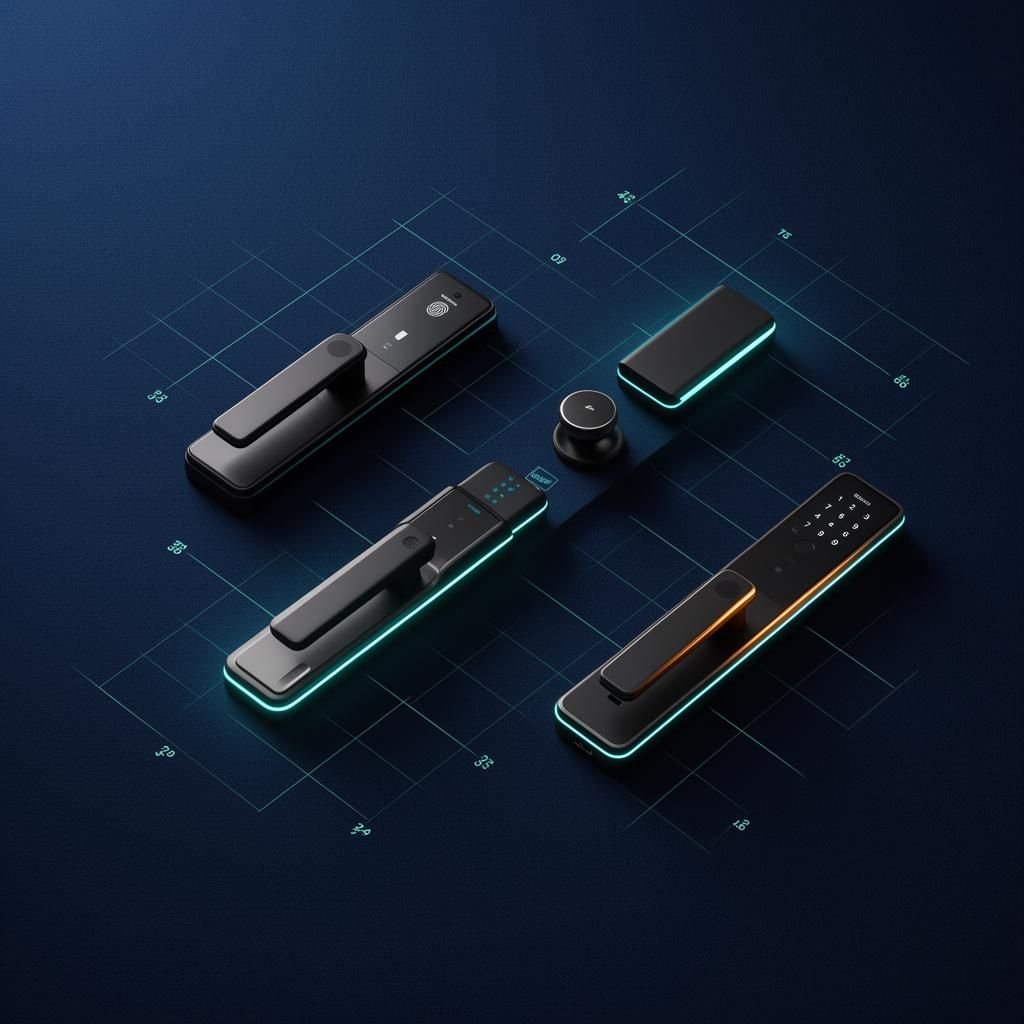
Smart locks come in various forms:
- electronic handles,
- surface-mounted locks,
- smart cylinders.
They fit:
- wooden and metal doors,
- interior and exterior doors,
- apartments, offices and commercial properties.
The key is choosing the right model, not giving up on the technology.
Who does a smart lock make the most sense for?
Smart locks work particularly well in:
- private homes and apartments,
- short-term rentals,
- offices and companies,
- apart-hotels and small accommodation properties.
Anywhere control, flexibility and convenience matter.
Summary — facts instead of myths
Smart locks are a mature technology, not an experiment. Most concerns come from myths that have little to do with reality.
The most important things are:
- choosing a proven solution,
- matching it to the door and how it will be used,
- getting expert advice.
If you want to check whether a smart lock makes sense in your case, it's worth using the expertise of the specialists at Smart-Lock.pl, who help pick a solution that fits real needs — with no unnecessary compromises. We also recommend the smart lock ranking 2026 with specific model recommendations and the comparison of smart and traditional locks.